
Navigating the federal workers compensation process can be daunting, especially if your initial claim does not go as planned. For many federal employees in Florida, a denied claim feels like the end of the road, but the right approach can significantly improve the chances of a favorable outcome. This comprehensive guide, tailored by a seasoned Federal Workers Compensation Attorney in Florida, explores every crucial step, helping claimants rebuild their case and regain lost ground after denial.
Understanding the Federal Workers Compensation System in Florida
The federal workers compensation program is designed to protect employees who suffer job-related injuries or illnesses under federal jurisdiction. It is governed by the Federal Employees’ Compensation Act (FECA), which outlines the framework for claims and appeals. Given the complex interplay between federal law and regional oversight, working alongside a thoughtful and capable Federal Workers Compensation Attorney in Florida can make the process more transparent and manageable.
Florida’s workforce contains a significant number of federal workers. These employees range from postal workers to law enforcement, and each category faces unique risks on the job. When an injury or occupational illness strikes, swift action is expected but not always rewarded. An initial denial of benefits can be triggered by many factors—none of which are insurmountable with the right legal guidance.
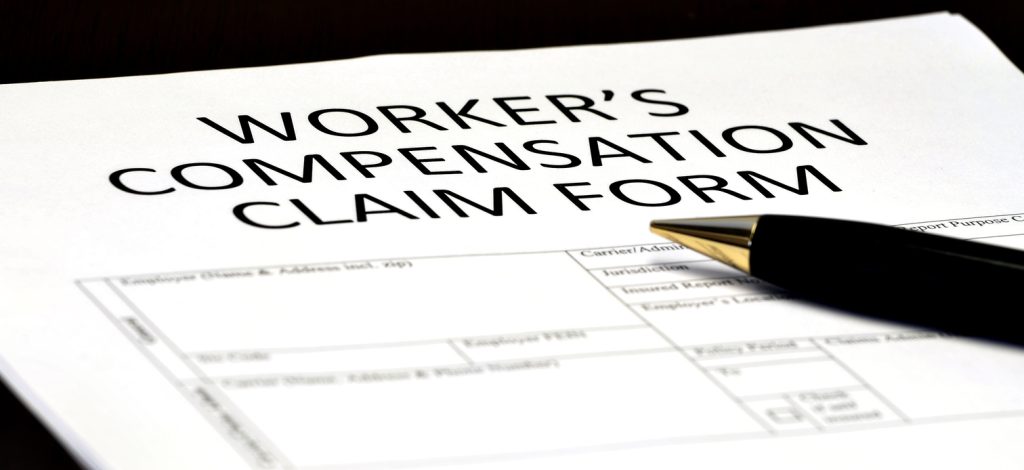
Common Reasons for Denial of Federal Workers Compensation Claims
Claim denials typically fall into a few main categories. A Federal Workers Compensation Attorney in Florida notes that the Office of Workers’ Compensation Programs (OWCP) may issue a denial based on claims of insufficient medical evidence, contradictory assertions about how the injury occurred, or delayed reporting.
Insufficient documentation of the link between the injury and the workplace is a frequent stumbling block. If the documentation is vague or if the injury appears inconsistent with submitted medical records, denial is likely. Other common pitfalls include missed deadlines, errors on forms, or inconsistencies between the claim statement and medical provider notes. In some instances, factual disputes about whether the injury truly happened at work play a deciding role.
First Steps After a Claim Denial: Groundwork for Appeal
A rejected claim is not a final decision. Instead, it signals the beginning of a structured appeal process—a chance to build a stronger case with help from an experienced Federal Workers Compensation Attorney in Florida. The official denial letter will outline the basis for rejection and the steps necessary for an appeal, including the decisive deadlines unique to federal claims in Florida.
Immediate response is critical. The FECA generally requires claims and appeals to be filed within three years of the date of injury, although certain exceptions apply when the injury is discovered later. However, the OWCP may impose much shorter deadlines, such as 30 to 90 days for specific types of review. Missing these windows can bar you from further pursuing benefits.
Building a Compelling Appeal with Evidence
Effective appeals depend not just on meeting deadlines but on crafting an irrefutable record of evidence. A forward-thinking Federal Workers Compensation Attorney in Florida encourages claimants to focus on amplifying the details that matter:
Medical Evidence: The foundation of any successful federal compensation case is robust medical documentation. This includes diagnostic reports, treatment histories, and well-articulated narratives from physicians. If prior documents were incomplete or unclear, request supplemental records or clarifications from your healthcare provider.
Factual Evidence: Corroborating the incident with incident reports, eyewitness testimony, or security footage carries weight in the appeal. Even minor consistencies between workplace documentation and your medical presentation can tip the scale.
Workplace Documentation: Gather all correspondence with your employer, supervisors, and insurance representatives, including emails, logs, and internal accident reports. Such records preempt arguments about reporting delays or miscommunication.
Strategic Use of Deadlines and Procedures
Federal compensation appeals are time-sensitive and detail-oriented. In Florida, appeals may include a written request for reconsideration, an oral hearing, or an escalation to the Employees’ Compensation Appeals Board (ECAB) located in Washington, D.C.. A skilled Federal Workers Compensation Attorney in Florida will often recommend starting with reconsideration or a hearing, given the potential for submitting new evidence in these formats.
Each appeal method has distinct filing deadlines and procedural requirements:
- Written Reconsideration or Oral Hearing: 30 days from prior OWCP decision
- Reconsideration: May allow up to one year, depending on circumstances
- ECAB Appeal: 90 days from OWCP decision, though some variations exist for cases with additional evidence
Missing deadline requirements is one of the most preventable causes for losing out on benefits, underlining the value of having expert direction during the appeal journey.

Navigating Mediation and Formal Hearings
If informal dispute resolution fails, advancing to a hearing is the logical next step. Here, all evidence is examined before an administrative law judge. The claimant’s representative, often a dedicated Federal Workers Compensation Attorney in Florida, presents the accumulated facts, cross-examines witnesses if necessary, and rebuts the employer or insurance carrier’s arguments.
Preparation cannot be overstated for these hearings. Every statement must be consistent, and witnesses (if available) briefed thoroughly. Every piece of submitted documentation—including newly obtained medical opinions—should address the reasons for the initial denial.
Addressing New Evidence and Documentation Errors
One of the principal advantages of federal compensation appeals is the ability to introduce new evidence. An initial application may suffer for lack of detailed medical history or for failing to explain how an old injury was aggravated by work. Use the appeal as a chance to rectify omissions. For all new submissions, ensure clarity, accuracy, and an unmistakable tie to your original claim. A Federal Workers Compensation Attorney in Florida will scrutinize old paperwork for inconsistencies or hurdles that may have contributed to the denial.
Common mistakes corrected on appeal include:
- Missing physician statements on causation
- Gaps in wage loss documentation
- Absent or contradictory witness accounts
- Incomplete timeline of injury reporting
How a Federal Workers Compensation Attorney in Florida Supports Your Case
Challenging a denied claim is as much about advocacy as it is about legal paperwork. A reputable Federal Workers Compensation Attorney in Florida acts as a front-line defender, specializing in federal standards, medical records interpretation, and procedural rules that can be unfamiliar to most laypersons. They also maintain relationships with medical experts capable of providing independent evaluations, which can be decisive in disputed cases.
Representation also extends to communication, ensuring you never miss critical correspondence from OWCP and that you respond to any requests for information within the required period. The difference between a well-documented appeal and a perfunctory response is often the deciding factor in a successful outcome.
Key Judicial Standards and the Burden of Proof in Federal Workers Compensation Appeals
Federal workers compensation law sets high standards for demonstrating that an injury was work-related. The burden rests squarely on the claimant to furnish clear and convincing evidence. Judicial standards require documentation to show not just that an incident happened, but that it was the direct cause of physical or mental harm as described in the claim.
A Federal Workers Compensation Attorney in Florida ensures that all evidence meets or exceeds these legal thresholds, referencing FECA’s requirements and case law established by federal administrative judges.
Steps to Prevent Appeal Denials: Learning from Common Mistakes
Post-denial, it becomes crucial to assess why the initial claim was unsuccessful. Perhaps a medical report was missing, or the chain of events between the workplace and injury was insufficiently clear. Reviewing denial letters and guidance from the Office of Workers’ Compensation Programs, in tandem with a seasoned Federal Workers Compensation Attorney in Florida, leads to a more targeted and persuasive appeal.
Another point of focus is adherence to the federal definition of a covered injury or illness. Complications arise when presenting injuries that occurred offsite, gradually over time, or are entangled with pre-existing conditions. Closely consult all relevant federal government guidelines when identifying your legal footing (U.S. Department of Labor OWCP FAQ).
Preparing for Further Appeals and Judicial Review
When an administrative law judge upholds a denial, claimants can seek another level of review at the ECAB or in federal court as the situation allows. At this stage, it is crucial to update evidence with any new developments, and ensure that legal arguments specifically address the rationale for the appeals board’s earlier rejection. Guidance from a Federal Workers Compensation Attorney in Florida becomes even more important since further appeals adhere to stricter rules and shorter deadlines.

Final Considerations for Florida Federal Employees Facing Denied Claims
No denial is insurmountable when equipped with the right plan and informed advocacy. Understand every deadline, document every detail, and work closely with a meticulous Federal Workers Compensation Attorney in Florida to correct errors and maximize your chances of approval the second time around.
If you are searching for an attorney to take up your appeal, consider reviewing resources such as this comprehensive guide for connecting with a dedicated Federal Workers Compensation Attorney in Florida.
Conclusion
Facing a rejected federal workers compensation claim in Florida has real legal and financial consequences, but the appeals process provides a legitimate path for those wrongly denied benefits. Every step requires clarity and careful attention to federal guidelines, strong evidence, and unwavering adherence to deadlines. By building a compelling record under the direction of a reliable Federal Workers Compensation Attorney in Florida, claimants can turn initial setbacks into hard-won approvals, securing the support and resources necessary for recovery.
All legal definitions and procedural standards are referenced in line with federal laws and government guidance to ensure full compliance and credibility. For complete procedural rules under the Federal Employees’ Compensation Act and official updates, visit the U.S. Department of Labor OWCP FAQ.